
Ultimate Guide To Essential Products For Concrete Leveling Projects
Learn about the key products that make concrete leveling safer, faster, and more effective for both DIYers and experts.
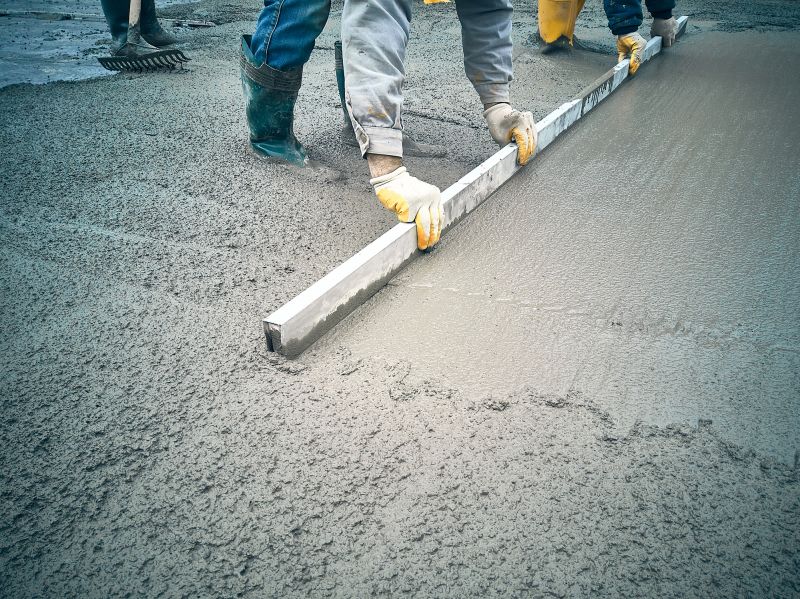 Concrete leveling is an essential process for maintaining the safety, appearance, and functionality of various surfaces around residential and commercial properties. When concrete slabs settle, crack, or become uneven over time, it can pose tripping hazards and lead to further structural issues if not addressed promptly. Fortunately, there are numerous products designed to restore levelness efficiently and effectively. These range from DIY kits suitable for small repairs to professional-grade solutions intended for larger, more complex projects.
Top Overall Option
Polyurethane Concrete Leveling Kit
Polyurethane-based leveling kits are widely used for their quick-curing properties and ability to fill voids beneath concrete slabs. They provide a minimally invasive solution that can be applied with precision, making them suitable for both small repairs and larger projects. These kits typically include foam, injection tools, and safety accessories, enabling users to achieve a stable, level surface with relative ease.
Types of Products For Concrete Levelings
Self-Leveling Underlayment
A fluid mixture designed to create a smooth, level surface over existing concrete, ideal for indoor flooring preparations.
Polyurethane Foam Injection Kits
Used to lift and stabilize sunken slabs by injecting expanding foam beneath the surface.
Cement-Based Patching Compounds
Suitable for filling cracks and minor surface depressions, providing a durable repair.
Hydraulic Cement Mixes
Heavy-duty products for filling larger voids and repairing structural cracks.
Polymer Modified Mortars
Enhance bonding and flexibility for patching and leveling applications.
Liquid Floor Levelers
Pourable products that produce a flat, even surface for flooring installation.
Concrete Resurfacing Products
Coatings designed to restore the appearance and surface integrity of worn concrete.
Vibration and Trowel Tools
Tools that help achieve smoothness and proper compaction during leveling.
Crack Repair Sealants
Flexible sealants formulated to fill and seal surface cracks effectively.
Epoxy Injection Systems
Used for structural repairs and stabilization of cracked concrete.
Polyurea Joint Fillers
Flexible fillers for expansion joints and surface cracks.
Grouting Products
High-flow materials used to fill voids beneath slabs for stabilization.
Bonding Agents
Enhance adhesion between old and new concrete layers during repairs.
Concrete Demolition and Removal Tools
Specialized equipment for removing damaged or uneven slabs before leveling.
Surface Preparation Cleaners
Products to clean and prepare concrete surfaces for optimal adhesion of leveling compounds.
Expansion Joint Sealants
Materials to prevent water ingress and accommodate movement in concrete joints.
Polymer Grouts
Lightweight, flowable materials for precise void filling beneath slabs.
Popular Choices
Commonly used for indoor applications where a smooth, flat surface is desired prior to flooring installation.
Frequently chosen for lifting and stabilizing sunken concrete slabs with minimal disruption.
Popular for small to medium surface repairs and crack filling.
Often selected for structural crack repair and large void filling.
Preferred for creating even surfaces in preparation for flooring or coating applications.
Chosen for restoring worn or damaged concrete surfaces with a fresh look.
Commonly used by professionals and DIYers to ensure smooth finishes.
Popular for sealing surface cracks to prevent water infiltration and further damage.
Often used for structural crack repairs requiring high bonding strength.
Frequently selected to maintain joint integrity and accommodate movement.
Valued for their ability to fill voids beneath slabs reliably.
Popular for ensuring strong adhesion in layered repairs.
Essential for surface prep to improve product adhesion.
Widely used for minor surface repairs and surface leveling.
Commonly applied in expansion joints to prevent debris accumulation.
Preferred for achieving uniform compaction and smooth finishes.
Popular for quick sealing of surface cracks to prevent water ingress.
Chosen for extending the life of existing concrete surfaces.
The selection of the right product depends on several factors, including the size and extent of the unevenness, the type of concrete, and the desired longevity of the repair. Some products are formulated for quick fixes, allowing homeowners to address minor unevenness without extensive equipment. Others are engineered for more durable, long-lasting results, often requiring specialized application techniques. Understanding the different options available can help ensure that the chosen solution aligns with the specific needs of each project.
In addition to repair products, there are tools and accessories that facilitate the leveling process. These include screeds, trowels, and vibration tools that help achieve a smooth, even surface. Proper preparation, including cleaning and assessing the extent of the damage, is crucial before applying leveling compounds or other products. When used correctly, these products can significantly improve the safety and appearance of concrete surfaces, extending their lifespan and reducing the need for costly replacements.
Whether dealing with a small patio crack or a large driveway unevenness, selecting the appropriate concrete leveling products is key to achieving the desired results. Consulting product specifications and considering professional advice can help ensure an effective and durable repair. With the right tools and materials, homeowners and contractors alike can restore the integrity of concrete surfaces efficiently and reliably.
Key Buying Considerations
- Determine the extent of unevenness or damage to select an appropriate product type.
- Consider whether the repair is for a structural or cosmetic purpose.
- Assess the size of the area needing repair to choose between small kits or larger equipment.
- Check compatibility with existing concrete surfaces and materials.
- Evaluate curing time to fit project timelines.
- Decide if a quick-drying product is necessary for immediate use or access.
- Look for products with good adhesion properties for long-lasting results.
- Consider ease of application, especially for DIY projects.
- Review safety instructions and required protective equipment.
- Determine if the product is suitable for indoor or outdoor use.
- Think about the environmental conditions, such as moisture or temperature, that may affect product performance.
- Assess the need for additional tools or accessories, like trowels or injection devices.
- Check for compatibility with flooring or other finishes planned after leveling.
- Review product lifespan and maintenance requirements.
- Ensure the product meets local building codes and standards if applicable.