Concrete Leveling for Durable Surfaces
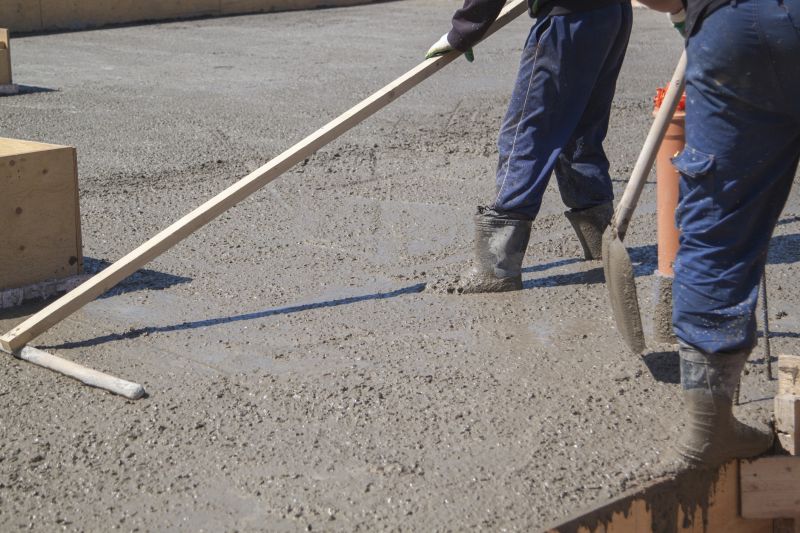
Spring offers optimal conditions for concrete levelings due to moderate temperatures and stable moisture levels.
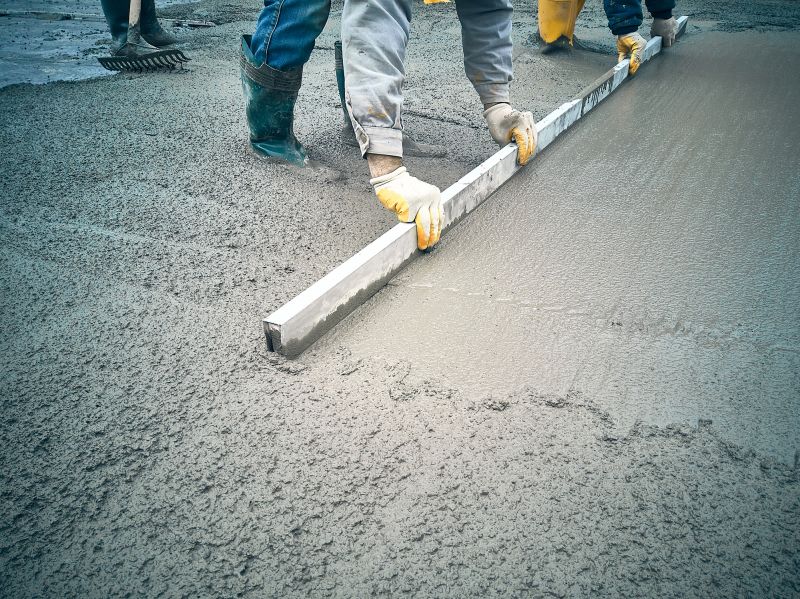
Summer can be suitable if temperatures are controlled, but extreme heat may affect curing times.
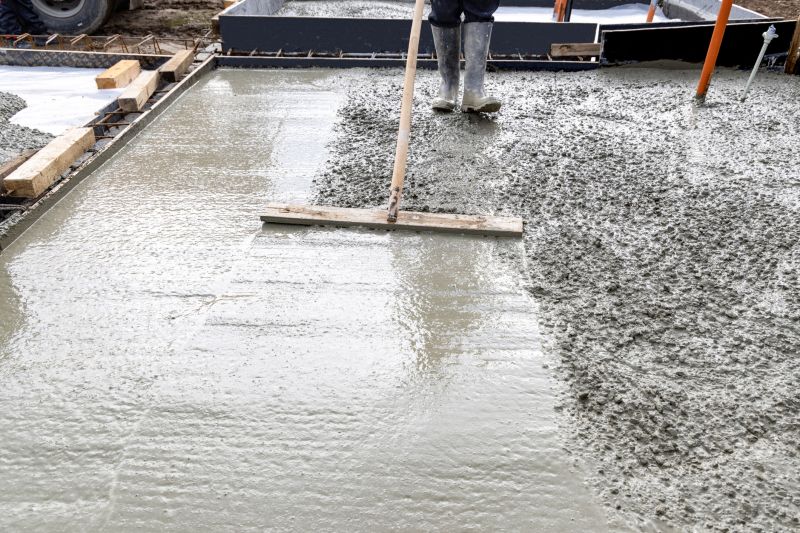
Fall provides cooler weather and lower humidity, making it an ideal time for concrete leveling projects.
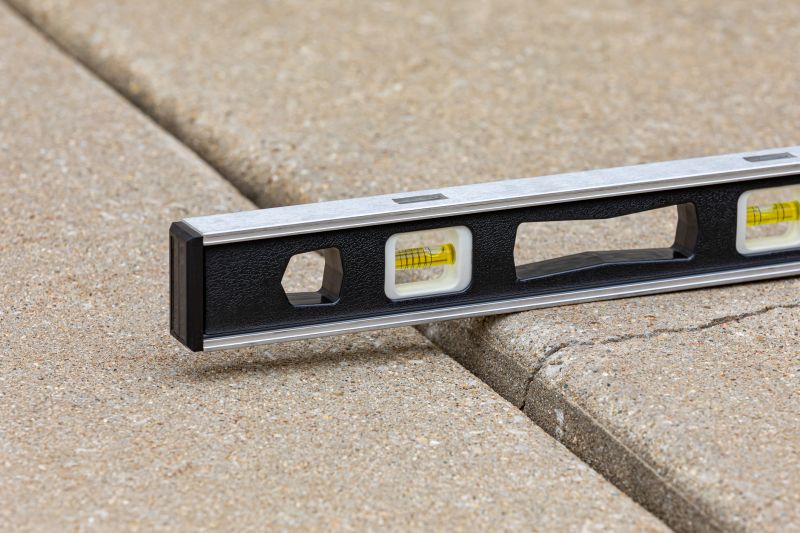
Ways to make Concrete Levelings work in tight or awkward layouts.
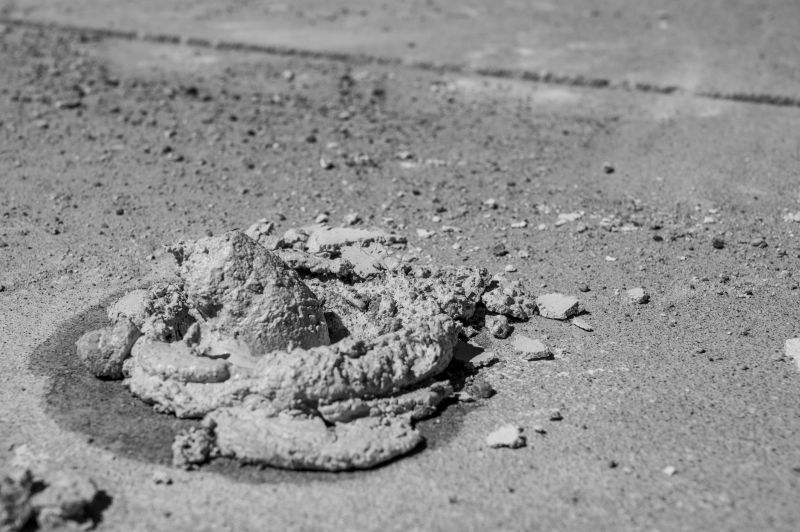
Popular materials for Concrete Levelings and why they hold up over time.
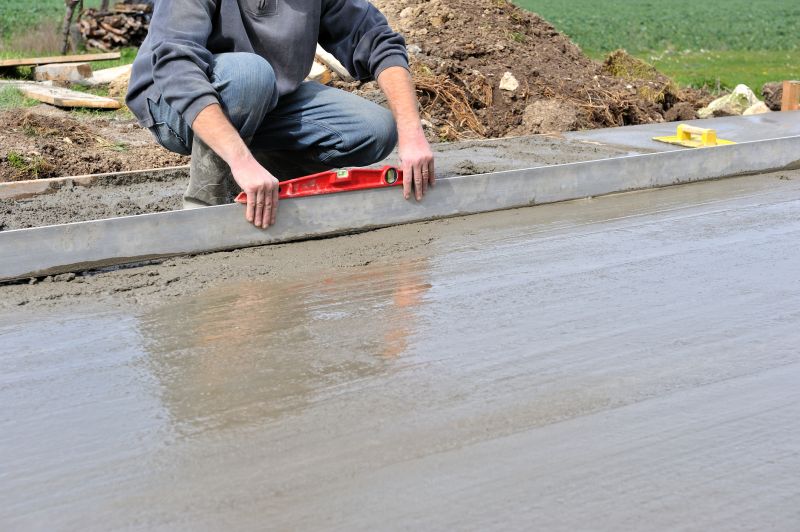
Simple add-ons that improve Concrete Levelings without blowing the budget.
High-end options that actually feel worth it for Concrete Levelings.
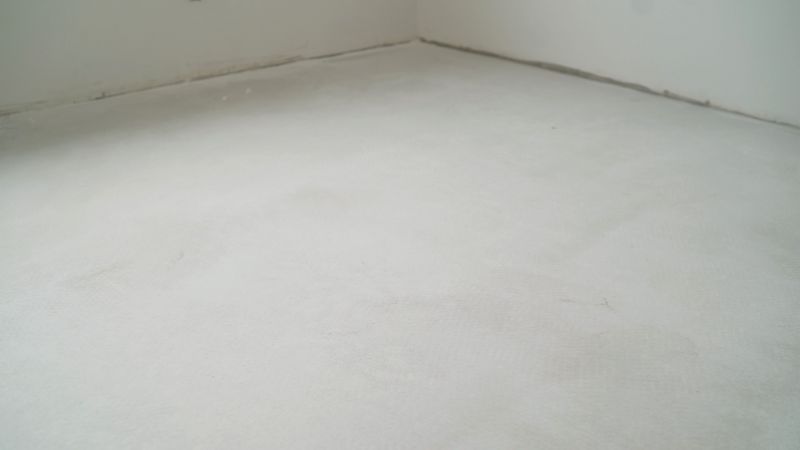
Finishes and colors that play nicely with Concrete Levelings.
Concrete levelings are essential for maintaining the integrity and appearance of paved surfaces. Properly leveled concrete prevents water pooling, reduces trip hazards, and extends the lifespan of the slab. The process involves raising sunken or uneven sections to create a smooth, even surface. Timing is critical to ensure the best results, as weather conditions directly influence curing and adhesion.
Temperature fluctuations affect concrete curing, making mild weather optimal for leveling projects.
Materials used in leveling perform best within specific temperature ranges, typically between 50°F and 85°F.
Timing concrete levelings during favorable weather helps ensure long-term durability and stability.
Planning projects during seasons with predictable weather minimizes delays and rework.
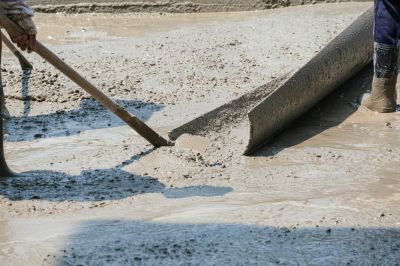
Spring's moderate temperatures support effective leveling and curing.
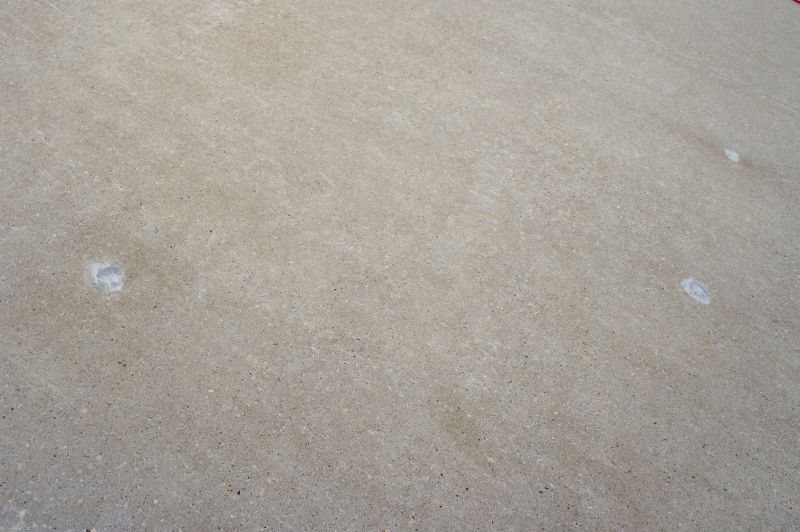
Summer requires careful timing to avoid heat-related curing issues.
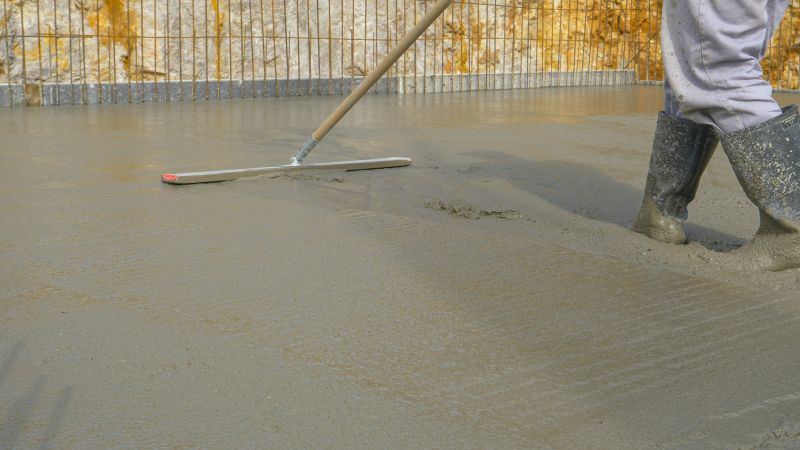
Fall's cooler weather provides ideal conditions for concrete projects.
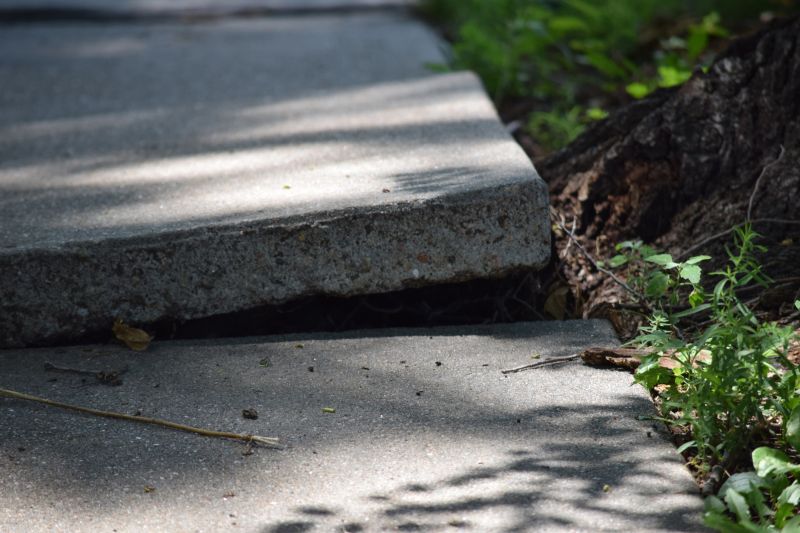
Winter is generally unsuitable due to freezing temperatures and moisture challenges.
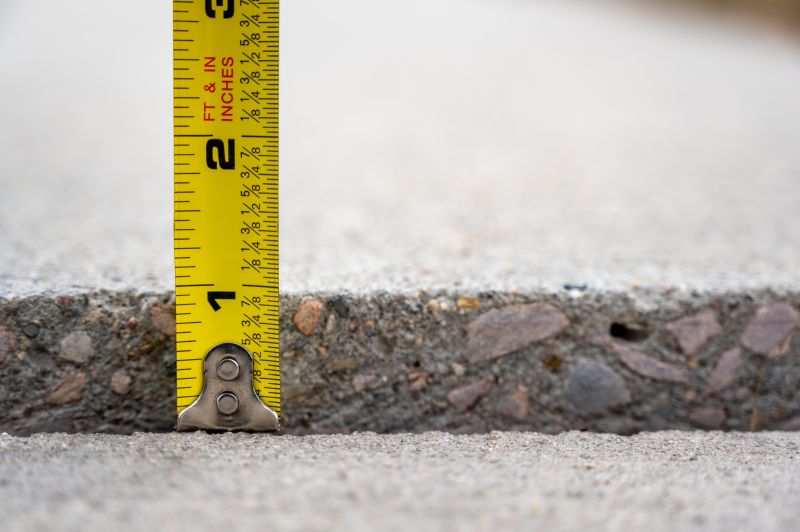
Little measurements that prevent headaches on Concrete Levelings day.
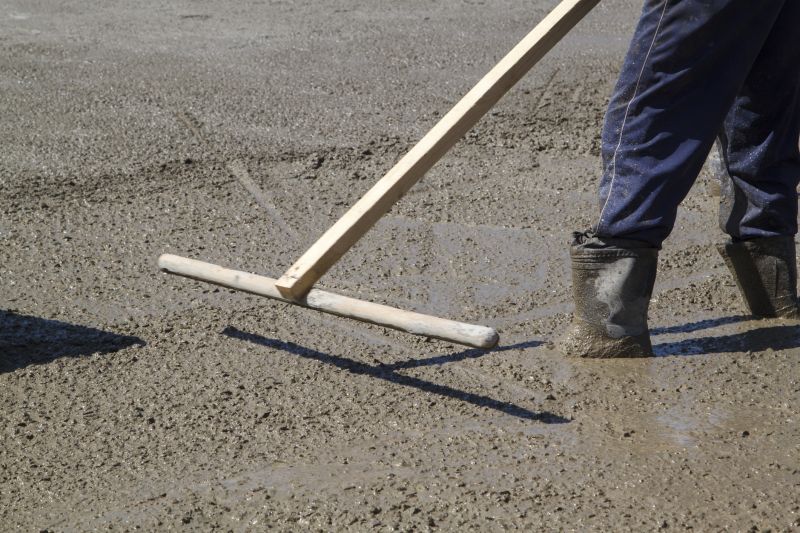
A 60-second routine that keeps Concrete Levelings looking new.
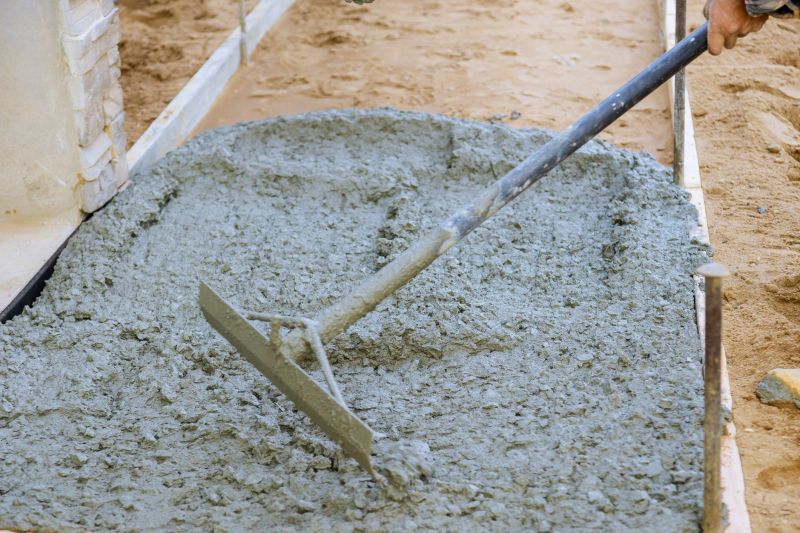
A frequent mistake in Concrete Levelings and how to dodge it.
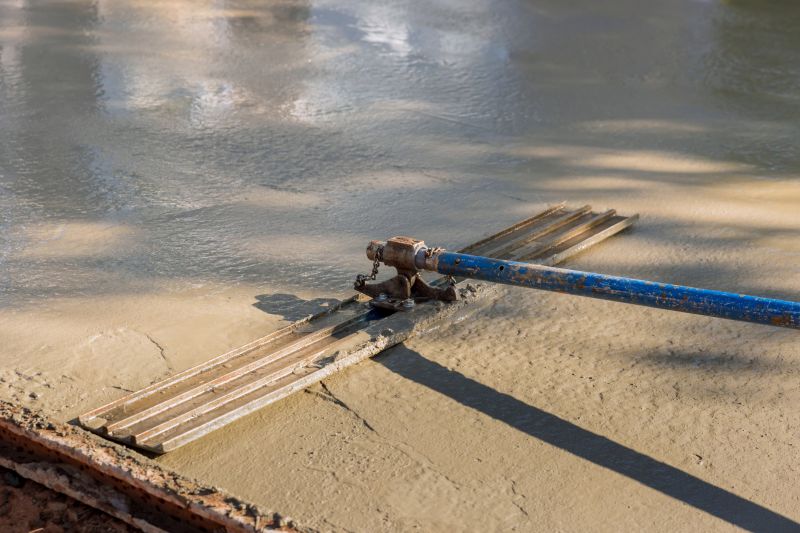
Small tweaks to make Concrete Levelings safer and easier to use.
| Season | Optimal Conditions |
|---|---|
| Spring | Moderate temperatures, stable moisture |
| Summer | Cooler mornings and evenings, avoid peak heat |
| Fall | Cool, dry weather, low humidity |
| Winter | Not recommended due to freezing temperatures |
| Late Spring | Ideal for new and existing concrete leveling |
Concrete levelings are a cost-effective solution for restoring uneven surfaces caused by soil settling, ground movement, or poor initial installation. The process involves injecting or applying leveling compounds to raise and flatten the surface. Proper timing ensures the materials bond effectively and the slab cures correctly, resulting in a durable, even surface that enhances safety and functionality.
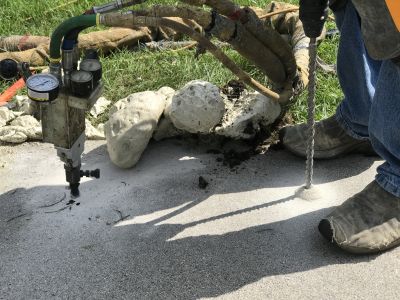
Specialized tools and materials are used to achieve precise, long-lasting results.
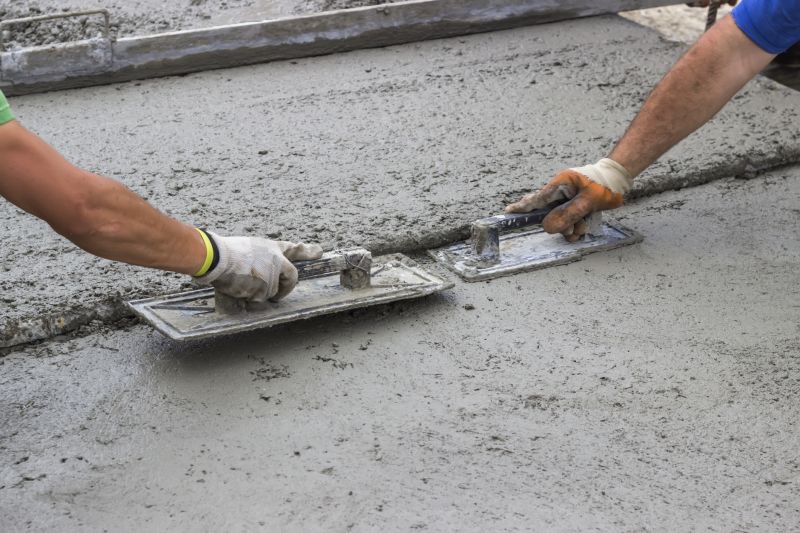
Surface cleaning and assessment are critical steps before leveling.
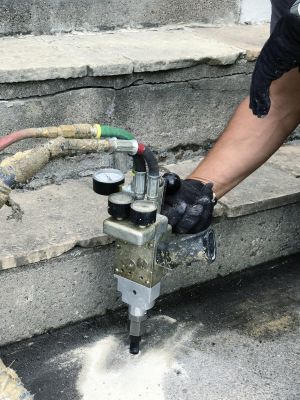
Different methods, such as mudjacking or foam leveling, depend on project needs.
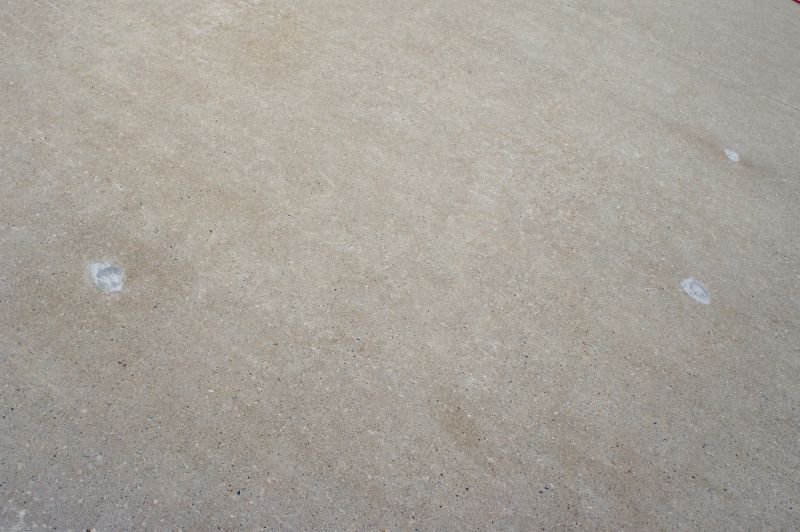
A smooth, stable surface improves safety and reduces maintenance costs.
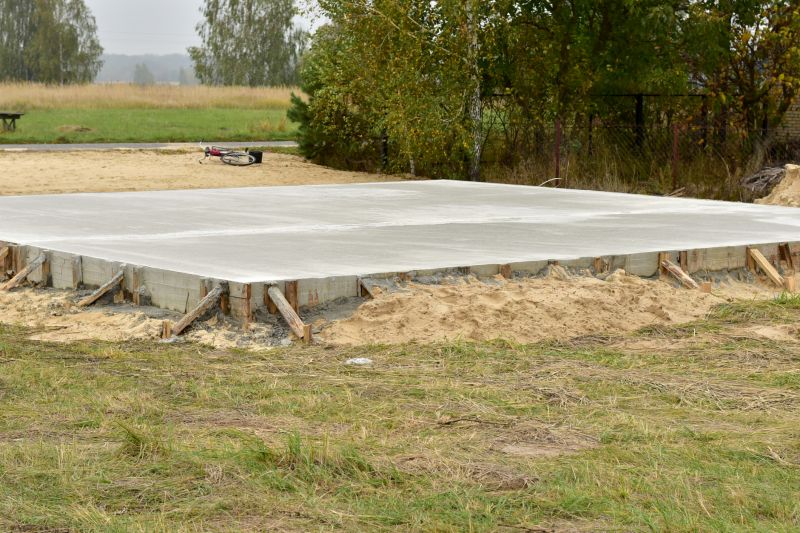
Lower-waste or water-saving choices for Concrete Levelings.
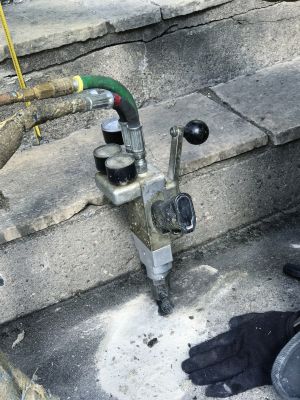
The short, realistic tool list for quality Concrete Levelings.
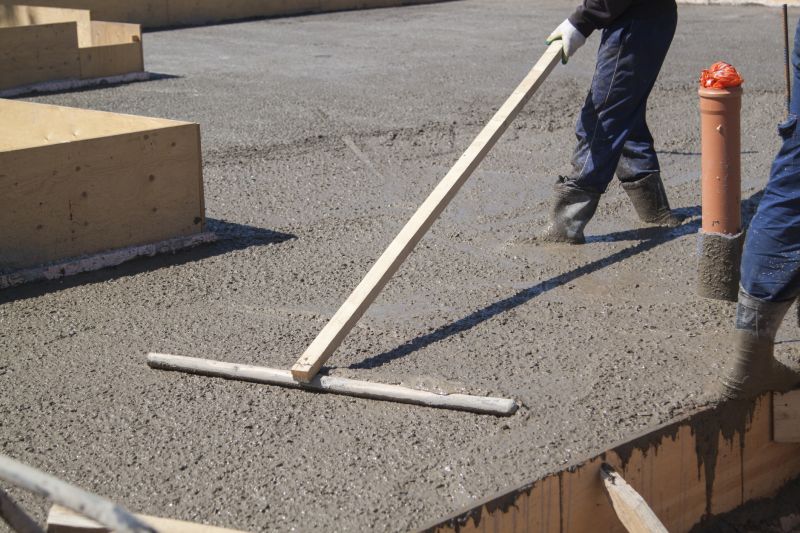
Rough timing from prep to clean-up for Concrete Levelings.
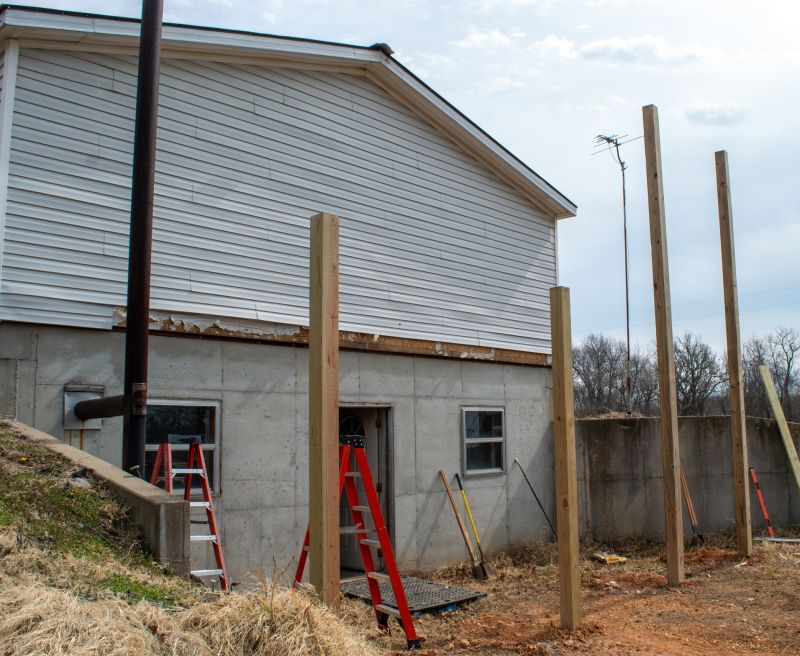
Quick checks and paperwork to keep after Concrete Levelings.
Timely concrete leveling not only restores surface flatness but also prevents future damage. When performed during optimal weather conditions, the process ensures the longevity of the repair. Proper planning and execution during the right season can lead to significant savings and improved surface performance.
Interested in concrete levelings for a property in Reston, VA? Filling out the contact form can provide more information and help schedule a consultation to determine the best timing for your project.